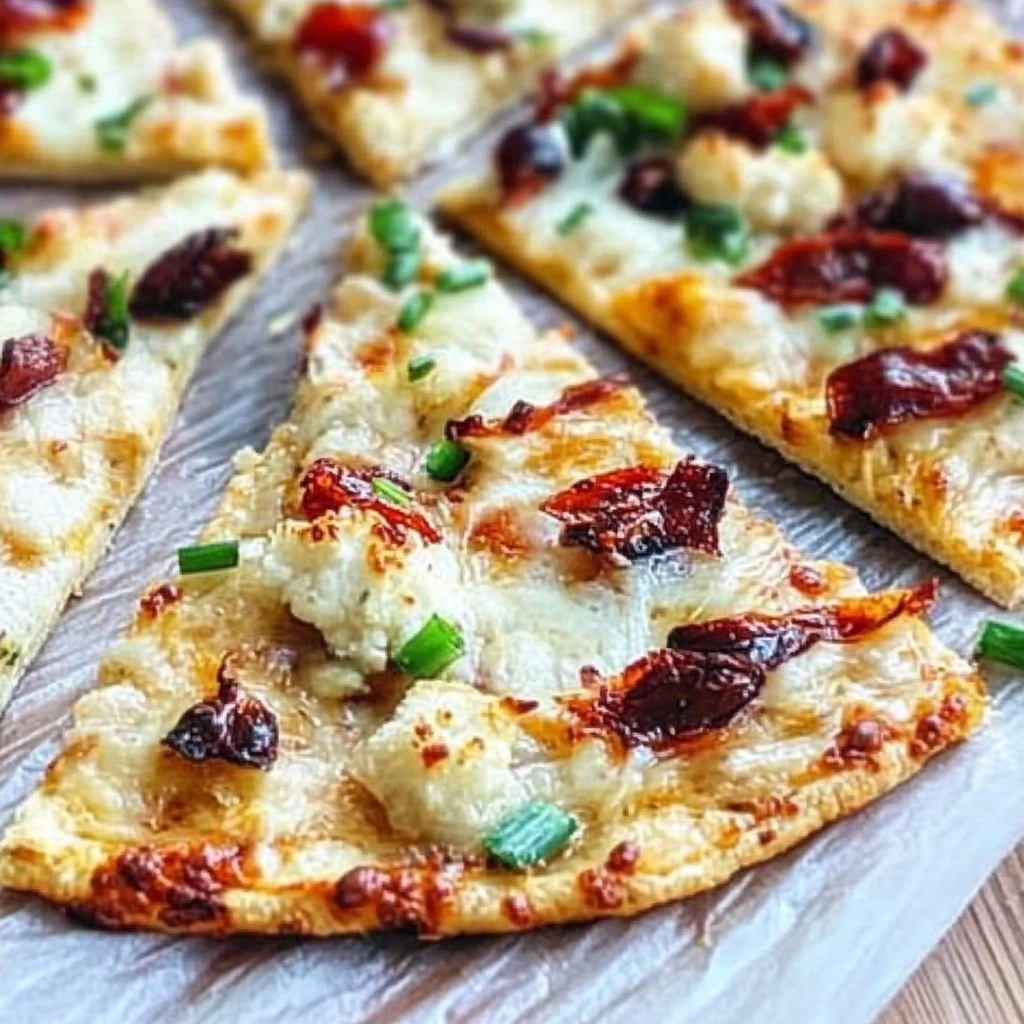
This gluten-free cauliflower pizza crust offers a delicious and healthy alternative to traditional pizza bases. It is crafted using wholesome ingredients for a satisfying meal. Experience the joy of homemade pizza without the gluten.
Recipe Overview
| Prep Time | 20 minutes |
|---|---|
| Cook Time | 25 minutes |
| Total Time | 45 minutes |
| Servings | 4 slices |
| Difficulty | Easy |
| Cuisine | Italian-Inspired |
Why This Recipe Works
As a seasoned recipe developer, I can attest that this gluten-free cauliflower pizza crust is a game-changer for anyone seeking healthier pizza options. The magic lies in transforming nutrient-rich cauliflower into a pliable yet sturdy dough. It eliminates the heavy feel often associated with traditional crusts, providing a lighter foundation for your favorite toppings.
The combination of riced cauliflower, almond meal, and eggs creates a unique texture that bakes up firm and slightly crisp. Properly ricing and squeezing the cauliflower is key; it removes excess moisture which could lead to a soggy crust. This method ensures a delightful chew and a satisfying bite, proving that gluten-free can indeed be delicious and structurally sound.
Ingredients
Gluten-Free Cauliflower Pizza Crust

A delicious and healthy gluten-free alternative to traditional pizza bases. This crust is made with nutrient-rich cauliflower, almond meal, and eggs, creating a sturdy yet light foundation for your favorite pizza toppings. Enjoy homemade pizza without the gluten!
- Prep Time: 20
- Cook Time: 25
- Total Time: 45
- Yield: 4 slices 1x
- Category: Gluten-Free
- Method: Baking
- Cuisine: Italian-Inspired
- Diet: Gluten-Free, Vegetarian
Ingredients
2 cups riced cauliflower, fresh or frozen (thawed and squeezed dry)
1/4 cup yellow onion, chopped
3 garlic cloves, minced
1 cup almond meal
2 large eggs, lightly beaten
1/2 teaspoon salt
1/4 teaspoon freshly ground black pepper
Instructions
Preheat oven to 350°F (175°C).
Cover a pizza stone or small baking sheet with parchment paper.
Place riced cauliflower, chopped yellow onion, and minced garlic cloves into a food processor.
Pulse the ingredients until they form a crumbly mixture.
Transfer the mixture to a clean kitchen towel or cheesecloth and squeeze out as much moisture as possible.
In a medium bowl, combine the squeezed cauliflower mixture, almond meal, beaten eggs, salt, and pepper.
Mix until well combined.
Press the mixture onto the prepared baking sheet or pizza stone, forming a thin, even crust (about 1/4 inch thick).
Bake for 20-25 minutes, or until the crust is golden brown and firm.
Remove from oven and add your desired toppings.
Return to the oven and bake for another 5-10 minutes, or until the toppings are heated through and cheese is melted.
Notes
Ensuring the cauliflower is thoroughly squeezed dry is crucial for a firm crust.
For a nut-free option, substitute oat flour for almond meal.
Add your favorite pizza toppings after the initial crust bake.
Store any leftover crust in an airtight container in the refrigerator for up to 3 days.
Nutrition
- Serving Size: 1 slice (crust only)
- Calories: 150
- Sugar: 5g
- Sodium: 300mg
- Fat: 8g
- Saturated Fat: 1g
- Carbohydrates: 15g
- Fiber: 4g
- Protein: 7g
- Cholesterol: 50mg
| Ingredient | Quantity | Notes |
|---|---|---|
| Riced cauliflower | 2 cups | Fresh or frozen (thawed and squeezed dry) |
| Yellow onion | 1/4 cup, chopped | Adds a subtle sweetness and depth of flavor |
| Garlic cloves | 3 | Minced for aroma and taste |
| Almond meal | 1 cup | Provides structure and a slightly nutty flavor; can substitute with oat flour for nut-free |
| Large eggs | 2, lightly beaten | Act as a binder |
| Salt | 1/2 teaspoon | Enhances overall flavor |
| Freshly ground black pepper | 1/4 teaspoon | Adds a mild kick |
| Toppings of choice | As desired | Pizza sauce, cheese, vegetables, cooked meats |

Step-by-Step Instructions
Crust Preparation
- Preheat oven to 350°F (175°C). Cover a pizza stone or small baking sheet with parchment paper.
- Place riced cauliflower, chopped yellow onion, and minced garlic cloves into a food processor.
- Pulse the ingredients until they form a crumbly mixture, ensuring it is not a paste.
- Pour the pulsed cauliflower mixture into a large mixing bowl.
- Add the almond meal, lightly beaten eggs, salt, and freshly ground black pepper to the bowl.
- Stir all ingredients together until well combined; the mixture should be sticky but hold its shape.
- Adjust consistency: if the mixture is too dry, add water one teaspoon at a time. If too wet, add extra almond meal one teaspoon at a time.
- Divide the dough into two equal portions for two smaller pizzas or one larger crust.
- Place one portion of dough onto the prepared baking sheet or pizza stone. Reserve the second portion cold for later if making two pizzas.
- Gently spread the dough into a circle, approximately 1/4 inch thick, using a rubber spatula and lightly dampened hands.
Baking the Crust
- Place the prepared dough into the preheated oven.
- Bake for 15 minutes, or until the edges begin to turn golden brown.
- While the crust is baking, prepare your desired pizza toppings.
- Carefully remove the partially baked crust from the oven.
- Evenly distribute your chosen sauce and toppings over the crust.
- Return the topped pizza to the oven.
- Cook for an additional 10 minutes, or until the bottom of the crust is nicely browned and the toppings are heated through and bubbly.
- Remove the finished pizza from the oven.
- Let it cool slightly for a few minutes before slicing into four equal portions.
- If you prepared a second crust, repeat the baking and topping process for the remaining dough.
Chef Tips for Perfect Results
- Squeeze Out Moisture: After ricing the cauliflower and before mixing, ensure it is thoroughly squeezed dry using a cheesecloth or a clean kitchen towel. This is the most critical step for a crispy crust.
- Even Thickness: Spread the dough evenly to about 1/4 inch thickness. Inconsistent thickness will lead to uneven baking and potential sogginess in thinner areas.
- Pre-bake is Crucial: Do not skip the initial 15-minute pre-bake. This allows the crust to set and firm up before adding toppings, preventing a mushy base.
- Don’t Overcrowd Toppings: While tempting to load up, too many wet toppings can make the crust soggy. Opt for well-drained ingredients.
- Use Parchment Paper: Always bake on parchment paper. This prevents sticking and makes cleanup significantly easier, ensuring your gluten-free cauliflower pizza crust lifts off perfectly.
Common Mistakes to Avoid
- Insufficiently Dried Cauliflower: Not squeezing out enough water from the riced cauliflower is the primary cause of a soggy, weak crust. Always wring out as much liquid as possible.
- Over-Processing Cauliflower: Pulsing the cauliflower too much turns it into a paste, which results in a gummy texture rather than a pizza crust. Aim for a crumbly consistency.
- Baking at Too Low a Temperature: A temperature of 350°F is ideal for crisping the crust. Lower temperatures may not achieve the desired texture.
- Adding Toppings Too Early: Topping a raw or under-baked crust will result in a wet base. Always pre-bake the crust until it starts to firm up and lightly brown.
- Handling Dough Too Much: Overworking the cauliflower dough can make it sticky and difficult to handle. Mix just until combined and spread gently.
Variations and Substitutions
| Ingredient | Substitution | Impact on Flavor/Texture |
|---|---|---|
| Almond meal | Oat flour, coconut flour (use less), or gluten-free flour blend | Oat flour provides a similar texture. Coconut flour can make it drier. GF blends may alter texture. |
| Yellow onion | Shallots, leeks (white parts only), or omit | Shallots offer a milder sweetness. Leeks add a delicate onion flavor. Omission reduces depth. |
| Eggs | Flax egg (2 tbsp flaxseed meal + 6 tbsp water, let sit) or chia egg | Vegan option. May slightly alter texture, making it a bit denser. |
| Salt | Sea salt, garlic salt (reduce other garlic) | Sea salt is a good substitute. Garlic salt adds extra garlic flavor. |
Serving Suggestions and Pairings
This gluten-free cauliflower pizza crust is perfect for a weeknight family dinner or a healthier weekend treat. Serve it hot, straight from the oven, with a generous side salad featuring a light vinaigrette to complement the pizza’s flavors. It pairs wonderfully with classic Margherita toppings like fresh mozzarella, basil, and a drizzle of olive oil.
For a heartier meal, consider toppings like grilled chicken, sautéed mushrooms, and bell peppers. A refreshing glass of iced herbal tea or sparkling water complements this light yet satisfying pizza without overpowering its delicate crust flavor. It’s also an excellent option for casual gatherings and game nights when you want a crowd-pleasing, allergy-friendly choice.
Storage and Reheating
| Method | Duration | Instructions |
|---|---|---|
| Refrigeration | 2-3 days | Store cooled pizza in an airtight container. |
| Reheating (Oven) | 5-8 minutes | Place slices on a baking sheet in a 350°F oven until warmed through and crust is crisped. |
| Reheating (Skillet) | 3-5 minutes | Warm, uncovered, in a dry skillet over medium heat to re-crisp the bottom. Add a lid for the last minute to ensure toppings are warm. |
Nutritional Information
Approximate values per serving (1/4 of crust with minimal toppings):
| Nutrient | Amount per Serving |
|---|---|
| Calories | Approx. 150-200 |
| Protein | Approx. 8-12g |
| Fat | Approx. 7-10g |
| Carbohydrates | Approx. 10-15g |
| Fiber | Approx. 3-5g |
| Sugar | Approx. 3-5g |
| Sodium | Approx. 300-400mg (varies with added salt and toppings) |
Frequently Asked Questions
Can I make this cauliflower crust vegan?
Yes, this cauliflower crust can be made vegan by substituting the eggs with a flax egg or chia egg. This ensures the crust binds together effectively without animal products.
How do I know when my cauliflower crust is done baking?
The crust is done when the edges are golden brown and the center appears set and slightly firm. The bottom should also be developed a firm texture after the second bake.
My cauliflower pizza crust is soggy, what happened?
A soggy crust usually means excess moisture was not removed from the cauliflower or the crust was overloaded with wet toppings. Ensure you squeeze the cauliflower very dry for optimal crispness.
Can I prepare the gluten-free cauliflower crust dough ahead of time?
Yes, the mixed dough can be stored in the refrigerator for up to 24 hours before baking. Shape it onto parchment paper just before baking for best results.
What are the best gluten-free cauliflower pizza crust toppings?
Opt for well-drained toppings like sautéed vegetables, lean proteins, and moderate amounts of cheese. Avoid overly wet sauces or ingredients that release a lot of liquid during baking.
Enjoy this exceptional gluten-free cauliflower pizza crust, a versatile and healthy base that satisfies pizza cravings guilt-free. Its light, crisp texture makes it a perfect canvas for endless topping combinations. Embrace this flavorful and nutritious alternative for your next pizza night!