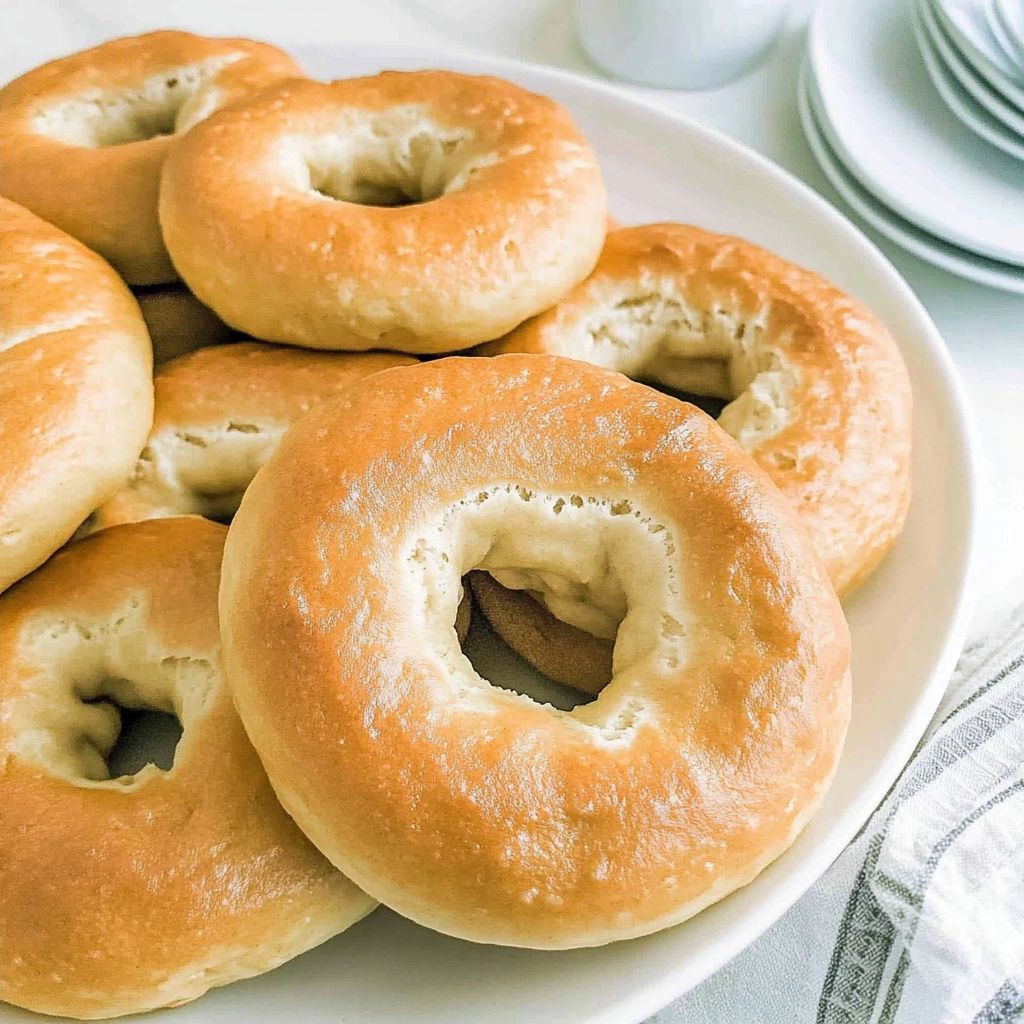
Gluten Free Plain Bagels provide a chewy, satisfying bread experience for those avoiding gluten. These bagels are baked to perfection, offering a classic taste and texture without the common glutenous complaints.
Why This Recipe Works
As a baker who has navigated the challenges of gluten-free baking, I can attest that achieving the right chew and structure in a bagel is paramount. Many gluten-free recipes result in a crumbly or dense product, but this specific formula brilliantly balances the properties of gluten-free flours. The combination of all-purpose gluten-free flour, instant yeast, and the precise water ratio creates a dough that can be handled and shaped effectively, avoiding the usual pitfalls.
The crucial boiling step, infused with baking soda and brown sugar, is what truly transforms these dough rounds into authentic bagels. This process gelatinizes the starches on the exterior, forming that signature slightly crisp crust and chewy interior that is so characteristic of a perfect bagel. It’s a technique that consistently yields impressive results, even for those new to gluten-free bread making.
Ingredients
PrintGluten Free Plain Bagels
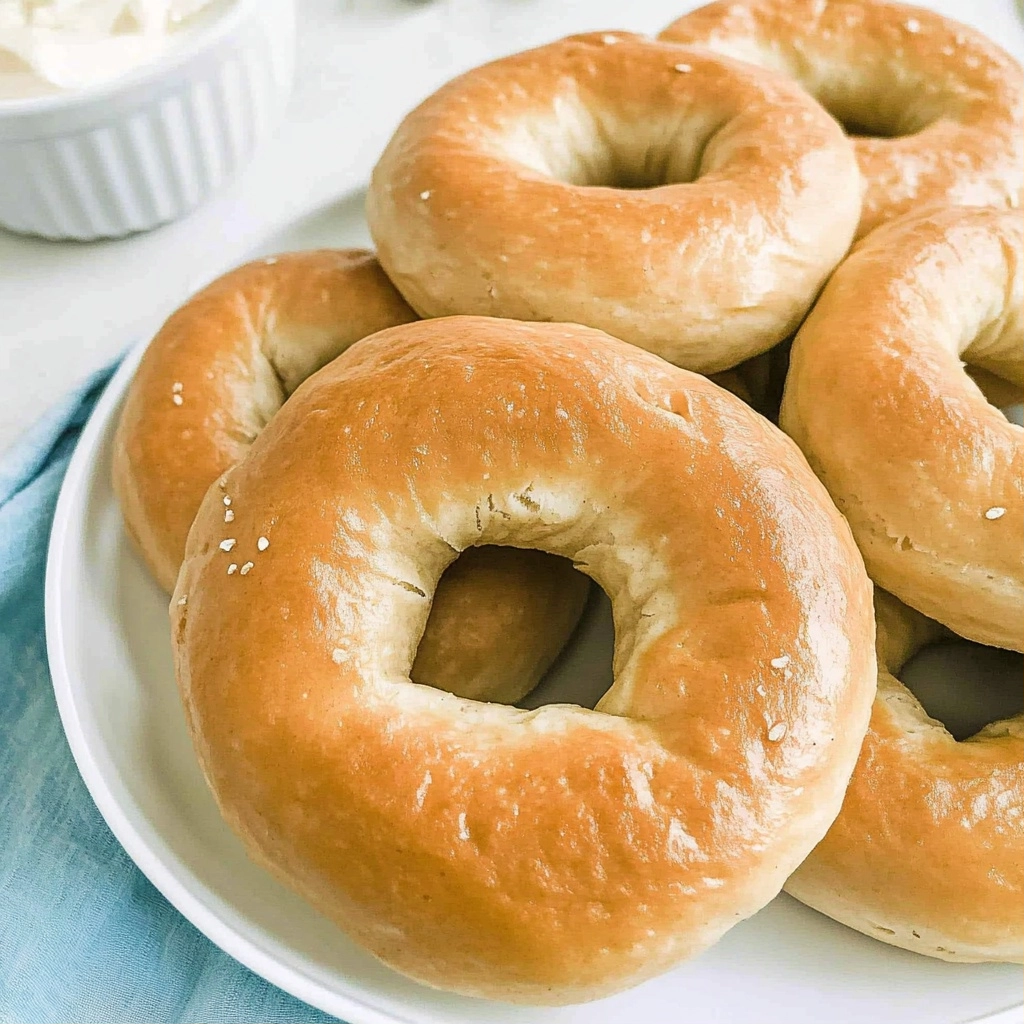
A gluten-free version of classic plain bagels, offering a chewy interior with a golden crust. Using a balanced mix of gluten-free flours and a unique boiling technique, these bagels deliver a satisfying texture without gluten.
- Prep Time: 15
- Cook Time: 30
- Total Time: 45
- Yield: 8 bagels 1x
- Category: Gluten-Free
- Method: Baking
- Cuisine: American
- Diet: Vegetarian
Ingredients
2 cups gluten-free all-purpose flour (e.g., Bob’s Red Mill)
3/4 teaspoon kosher salt
3/4 teaspoon instant yeast
3/4 cup warm water (105-115°F), plus more as needed
1 tablespoon baking soda
1 tablespoon brown sugar
1 large egg, beaten (for egg wash; substitute with 2 Tbsp plant-based milk for vegan)
Everything bagel seasoning (optional, to sprinkle)
Instructions
In a mixing bowl, combine gluten-free flour, salt, instant yeast, and brown sugar
Pour in warm water and mix on medium speed until a smooth ball forms
Add more water, 1 tablespoon at a time, if the dough is too dry
Let dough rest for 5 minutes
Turn dough onto a lightly floured surface and knead 1 minute
Divide dough into 8 equal pieces
Roll each piece into a smooth ball and shape into bagels with a hole in the center
Let shaped bagels rest, covered, for 10-15 minutes
Bring a large pot of water to a boil and stir in baking soda and brown sugar
Boil each bagel (30-45 seconds per side) until floating
Place bagels on a baking sheet and brush with beaten egg or plant-based milk
Sprinkle with everything bagel seasoning (optional)
Bake at 425°F (220°C) for 20-25 minutes, until golden and crisp
Notes
The boiling step with baking soda is essential for creating the signature chewy crust and structure
Use a 1:1 gluten-free flour blend for best consistency
Vegan option uses plant-based milk instead of egg
Everything bagel seasoning can be omitted or substituted with poppy seeds/other spices
Nutrition
- Serving Size: 1 bagel
- Calories: 200
- Sugar: 2g
- Sodium: 520mg
- Fat: 1.5g
- Saturated Fat: 0.5g
- Carbohydrates: 20g
- Fiber: 0.5g
- Protein: 3g
- Cholesterol: 23mg
| Ingredient | Quantity | Notes |
|---|---|---|
| Gluten-Free All-Purpose Flour | 2 cups | Recommend Bob’s Red Mill blend, or a similar 1:1 baking flour. More for dusting. |
| Kosher Salt | 3/4 teaspoon | Enhances flavor and controls yeast activity. |
| Instant Yeast | 3/4 teaspoon | Ensure it’s instant or rapid-rise yeast for quick activation. |
| Warm Water | 3/4 cup + more as needed | Around 105-115°F (40-46°C). Add incrementally if needed. |
| Baking Soda | 1 tablespoon | Essential for the boiling step to create the chewy crust. |
| Brown Sugar | 1 tablespoon | Adds a touch of sweetness and aids in crust browning during boiling. |
| Egg | 1 large | Beaten, for egg wash to achieve a glossy finish. Use plant-based milk for vegan. |
| Everything Bagel Seasoning | To sprinkle | Optional, but highly recommended for classic flavor. |
Step-by-Step Instructions
Dough Preparation
- In a mixing bowl, combine the gluten-free flour, kosher salt, instant yeast, and brown sugar.
- Pour in the warm water and mix on medium speed.
- If necessary, add more water, one tablespoon at a time, until the dough comes together in a smooth ball.
- Continue to mix for 4 minutes to ensure all ingredients are thoroughly incorporated and the dough develops some structure.
- The gluten-free dough should be smooth and slightly sticky to the touch.
- Place the dough in a lightly greased mixing bowl.
- Cover the bowl with a clean dishcloth and place it in a warm spot to rise for 60 minutes, or until it has doubled in size.
Shaping the Bagels
- Preheat your oven to 425°F (220°C).
- Line a baking sheet with parchment paper to prevent sticking.
- Turn the risen dough out onto a lightly floured work surface (use gluten-free flour).
- Divide the dough into 6 equal portions.
- Roll each piece of dough into a smooth ball.
- Use your finger to carefully poke a hole through the center of each dough ball.
- Gently stretch the hole outwards to form a wider bagel ring, being very careful not to tear the dough.
- Place the shaped gluten-free bagels onto the prepared baking sheet.
- Allow the shaped bagels to rest on the baking sheet for 10 minutes.
Boiling and Baking
- Bring a large pot of water to a rolling boil.
- Add the tablespoon of baking soda and the tablespoon of brown sugar to the boiling water. Wait until the initial foaming subsides before proceeding.
- Reduce the heat to a gentle simmer.
- Carefully lower the bagels into the simmering water bath, one or two at a time.
- Boil each bagel for approximately one minute per side, working in batches to avoid overcrowding the pot.
- Using a slotted spoon, transfer the boiled bagels back to the parchment-lined baking sheet.
- Brush the tops of the bagels generously with the beaten egg wash.
- Sprinkle with Everything bagel seasoning, if desired.
- Bake in the preheated oven for 20-25 minutes, or until the bagels are golden brown and feel firm to the touch.
Chef Tips for Perfect Results
- Accurate Flour Measurement: Spoon your gluten-free flour into the measuring cup and level it off with a straight edge. This prevents too much flour, which leads to dense bagels.
- Dough Consistency: Aim for a dough that is slightly sticky but manageable. If it’s too dry, your bagels will be hard; if too wet, they may not hold their shape. Adjust with a tablespoon of water or flour as needed.
- Gentle Handling: When shaping the bagels, be firm but gentle. Overworking or tearing the dough can result in a less tender crumb.
- Boiling Batch Size: Do not overcrowd the pot during the boiling stage. Boiling in small batches ensures each bagel gets adequate contact with the water for optimal crust development.
- Oven Temperature: Ensure your oven is fully preheated. Oven accuracy is crucial for achieving the right texture and color within the specified baking time.
Common Mistakes to Avoid
- Using the Wrong Flour: Not all gluten-free flours are created equal. A blend designed for baking, often containing xanthan gum, is essential. Using only one type of gluten-free flour might not provide the necessary structure.
- Over or Under Proofing: Under-proofed dough will result in dense, heavy bagels. Over-proofed dough can collapse in the oven. Monitor the dough’s size; it should roughly double.
- Skipping the Boil: The boiling step is non-negotiable for achieving the distinct chewy texture and slightly crisp exterior of a bagel. Baking without boiling yields a muffin-top-like texture.
- Baking Too Many at Once: Overcrowding the baking sheet can lead to uneven cooking and prevent proper browning. Ensure there is enough space between bagels for air circulation.
Variations and Substitutions
| Ingredient | Substitution | Impact on Flavor |
|---|---|---|
| Gluten-Free All-Purpose Flour | A custom blend of rice flour, tapioca starch, potato starch, and xanthan gum | May slightly alter chewiness and binding; ensure xanthan gum is included. |
| Instant Yeast | Active Dry Yeast (use 1.25 tsp) | Requires proofing in warm water with brown sugar for 5-10 minutes before adding to other dry ingredients. |
| Brown Sugar | Maple Syrup or Honey | Adds a slightly different sweetness profile and can affect crust browning. |
| Egg Wash | Plant-based milk (almond, soy, oat) | Results in a less glossy finish but still provides some browning. Vegan option. |
| Everything Bagel Seasoning | Poppy seeds, sesame seeds, dried garlic, dried onion, sea salt | Changes the flavor profile to a specific seed or garlic/onion focus. |
Serving Suggestions and Pairings
These Gluten Free Plain Bagels are incredibly versatile. Enjoy them toasted and topped with cream cheese and a sprinkle of chives for a classic breakfast. For a heartier meal, layer them with smoked salmon, capers, and red onion. They make an excellent base for a breakfast sandwich with scrambled eggs and avocado, or a filling lunch with turkey and swiss cheese. For dessert lovers, a sweet spread like fruit jam or hazelnut spread transforms them into a treat.
Storage and Reheating
| Method | Duration | Instructions |
|---|---|---|
| Room Temperature | 1-2 days | Store in an airtight container or bag at room temperature. Best enjoyed fresh. |
| Refrigeration | 3-4 days | Store in an airtight container. May become slightly firmer; toast to refresh texture. |
| Freezing | Up to 3 months | Wrap completely in plastic wrap, then place in a freezer-safe bag or container. Thaw overnight or toast from frozen. |
| Reheating | As needed | Toast in a toaster, toaster oven, or under the broiler until desired crispness is achieved. |
Nutritional Information
| Nutrient | Amount per Serving |
|---|---|
| Calories | Approximate values. Varies based on GF flour blend and size. |
| Protein | Approximate values. |
| Fat | Approximate values. |
| Carbohydrates | Approximate values. |
| Fiber | Approximate values. |
| Sugar | Approximate values. |
| Sodium | Approximate values. |
Approximate values per bagel, before toppings. Specific nutritional content will vary based on the gluten-free flour blend used and exact ingredient quantities. Check your flour blend’s packaging for the most accurate information.
Frequently Asked Questions
Can I substitute the gluten-free flour?
Yes, you can substitute with another 1:1 gluten-free baking blend. Ensure the blend contains xanthan gum for proper structure and binding.
How do I know if my bagels are fully baked?
The bagels are fully baked when they are firm to the touch and have a golden-brown exterior. Tapping the bottom should produce a hollow sound.
My gluten-free bagels are too dense, what went wrong?
Dense bagels usually result from too much flour, insufficient proofing, or skipping the boiling step. Ensure accurate flour measurement and proper rising time.
Can I make the dough ahead of time?
Yes, you can refrigerate the dough after the initial mixing and before the first rise for up to 24 hours. Allow it to come to room temperature before proceeding with shaping.
What is the best way to serve these plain bagels?
Serve them toasted with your favorite spreads like butter, cream cheese, or avocado. They are also excellent as a base for savory sandwiches.
Crafting perfect Gluten Free Plain Bagels is an achievable goal with this straightforward recipe. These bagels deliver on texture and taste, proving that gluten-free doesn’t mean compromising on enjoyment. Embrace the simple, classic flavor that serves as a foundation for countless delicious toppings and pairings. Enjoy making (and eating!) these delightful bagels.