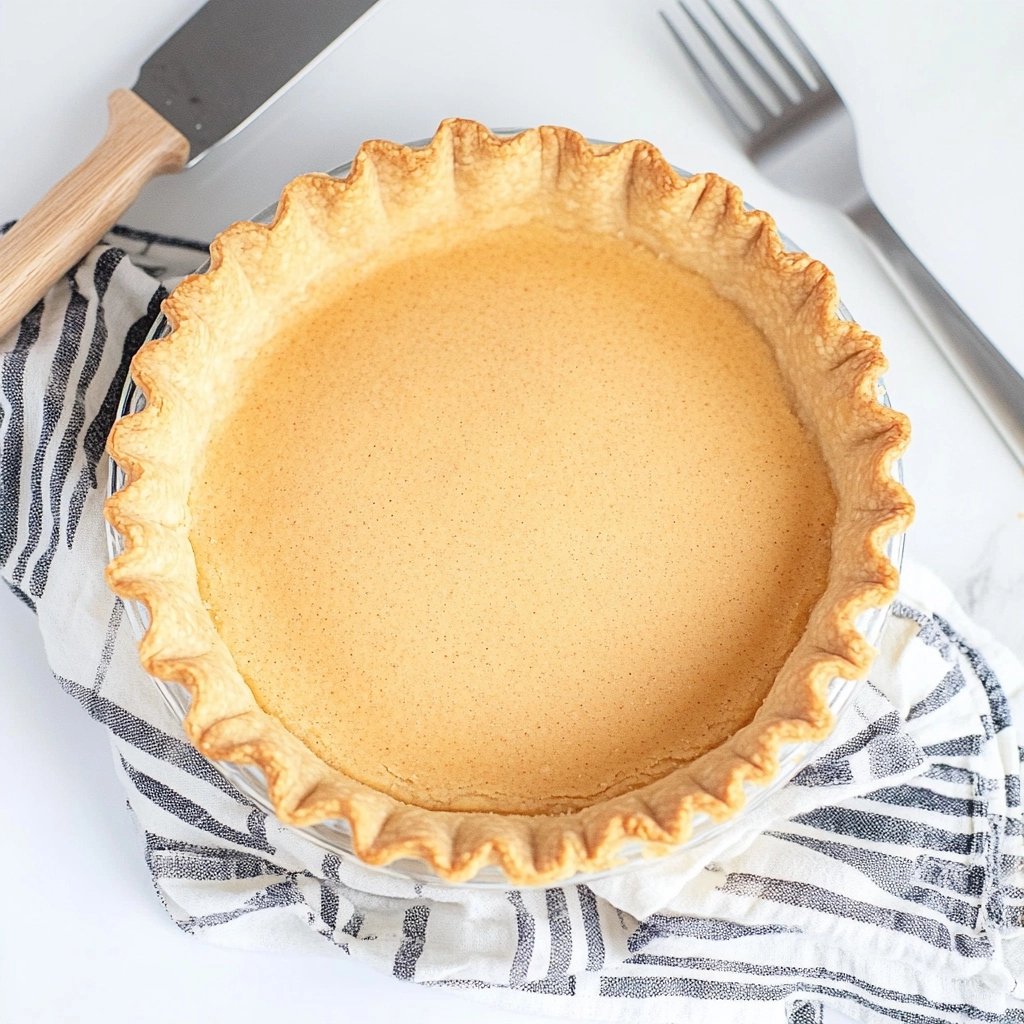
Ever found yourself dreaming of a perfect slice of pie, only to remember the gluten-free challenge? Or perhaps you’re looking for a lighter, more wholesome alternative to traditional pie crusts? Well, let me tell you, you’ve landed in the right place! This gluten-free almond flour pie crust recipe is about to become your new best friend in the kitchen. It’s flaky, buttery (or coconutty!), and surprisingly simple to whip up. Imagine: the sweet aroma filling your kitchen, knowing you’re about to serve a delicious dessert that’s also kind to your body. Perfect for any occasion, from a cozy weeknight treat to impressing guests at your next gathering.
Why You’ll Love This Gluten-Free Almond Flour Pie Crust
- Quick & Easy: Seriously, you can have this ready to go in less time than it takes to preheat your oven.
- Gluten-Free & Low-Carb Friendly: A fantastic option for those avoiding gluten or keeping an eye on carb intake.
- Deliciously Nutty Flavor: Almond flour adds a subtle, delightful richness that complements sweet and savory fillings alike.
- Surprisingly Sturdy: Holds up beautifully to your favorite pies – no more soggy bottoms!
- Customizable Sweetness: You control the sweetness, or skip it entirely for savory pies.
Ingredients for Your Gluten-Free Almond Flour Pie Crust
Gather these simple ingredients, and let’s get baking
PrintThe Best Gluten-Free Almond Flour Pie Crust
This flaky and buttery (or coconutty!) almond flour pie crust is a gluten-free, low-carb favorite. Perfect for sweet or savory pies, it’s sturdy, easy to make, and packed with nutty flavor. Ideal for those with dietary restrictions and anyone craving a wholesome crust.
- Prep Time: 15
- Total Time: 15
- Yield: 1 pie pastry crust (9-inch) 1x
- Category: Gluten-Free
- Method: Baking
- Cuisine: American
- Diet: Gluten-Free
Ingredients
2 ½ cups fine, blanched almond flour
1 large egg, beaten and at room temperature
¼ cup unsalted butter, melted and cooled, or melted coconut oil
2 tablespoons granulated sweetener of choice (e.g., erythritol, optional for savory pies)
¼ teaspoon salt
1 teaspoon vanilla extract
Instructions
Lightly grease a 9-inch pie pan with butter or oil and set aside.
In a large bowl, whisk together almond flour, salt, and sweetener (if using).
Stir in cooled melted butter (or coconut oil), the beaten egg, and vanilla extract until a dough starts to form.
Knead the dough gently with your hands until it forms a cohesive ball.
Place the dough between two sheets of greased parchment paper and roll it out to about 1/8-inch thickness.
Transfer the dough to the prepared pie pan, trim and press into the sides, then crimp the edges as desired.
Chill the crust in the refrigerator for 15-20 minutes before baking or filling, as needed.
Notes
For best results, use fine, blanched almond flour for a smooth and tender crust.
This crust is versatile—adjust sweetness or skip it entirely for savory fillings.
If you notice cracks while rolling, gently press the dough together without overworking it.
Store any leftover dough in an airtight container in the refrigerator for up to 3 days or freeze for up to 1 month.
Nutrition
- Serving Size: 1 pie crust
- Calories: 810
- Sugar: 3g
- Sodium: 250mg
- Fat: 65g
- Saturated Fat: 18g
- Carbohydrates: 20g
- Fiber: 3g
- Protein: 20g
- Cholesterol: 110mg
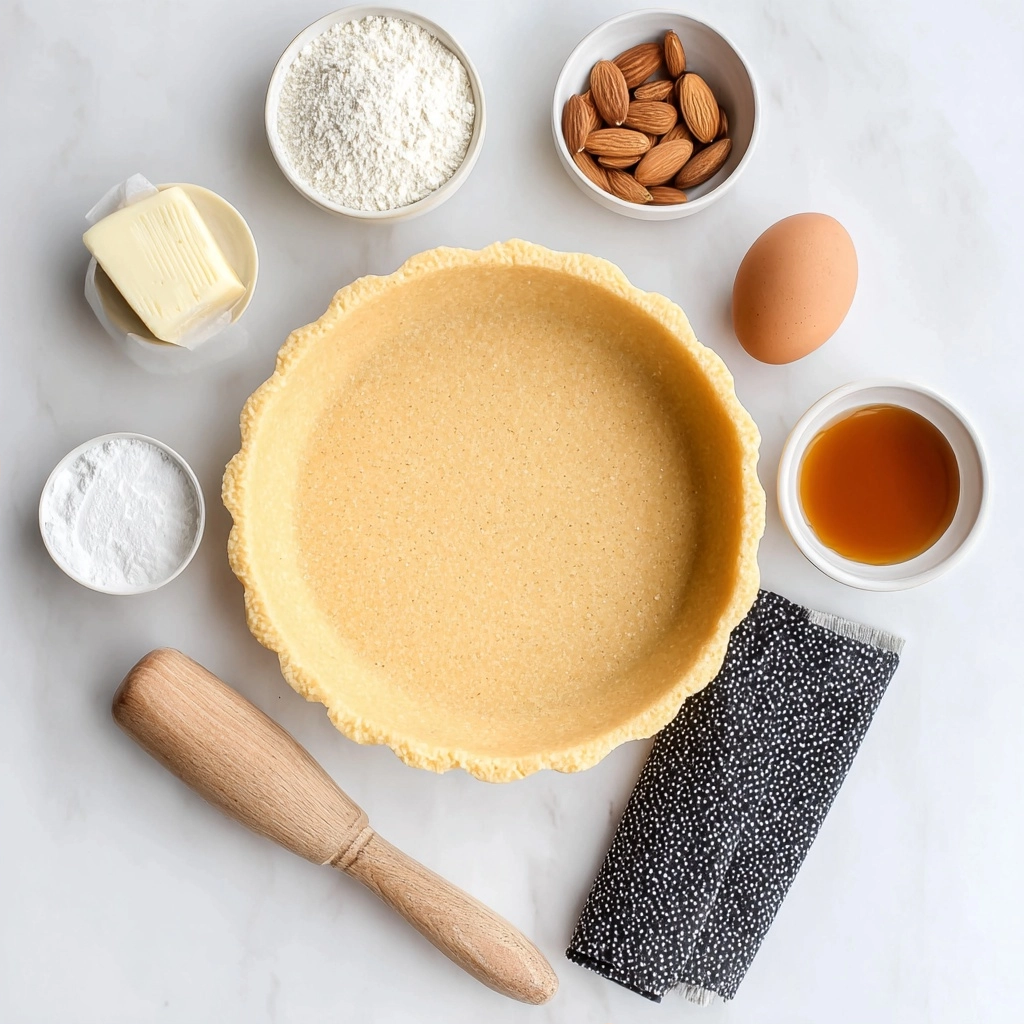
- 2 ½ cups fine, blanched Almond Flour (not almond meal)
- 1 large Egg, beaten and at room temperature
- ¼ cup Unsalted Butter, melted and cooled, or melted coconut oil
- 2 tablespoons Granulated Sweetener of Choice (I used erythritol, but you can skip for plain flavor or use your favorite!)
- ¼ teaspoon Salt
- 1 teaspoon Vanilla Extract
Step-by-Step Instructions
- Prep Your Pan: Lightly grease a 9-inch pie pan with butter or your chosen oil. Set it aside.
- Mix Dry Ingredients: In a large mixing bowl, whisk together the almond flour, salt, and sweetener (if using).
- Add Wet Ingredients: Stir in the cooled melted butter (or coconut oil), the beaten egg, and vanilla extract until a dough starts to form.
- Knead the Dough: Initially, mix with a spatula, then get your hands in there! Knead the dough gently until it comes together into a cohesive ball. It might feel a little crumbly at first, but keep working it. (If you’re a visual learner, check out my step-by-step pictures in this post!).
- Roll it Out: Place the dough ball between two sheets of greased parchment paper. Roll it out into a rough rectangle about 1/8-inch thick.
- Transfer to Pan: Carefully peel off the top piece of parchment paper. Slide your hand under the bottom piece of parchment paper with the rolled crust. Quickly and confidently flip it over the greased pie pan.
- Release the Dough: Gently peel off the remaining parchment paper. Don’t panic if the crust cracks a bit – this is totally normal with gluten-free dough!
- Shape and Patch: Gently press the dough into the pan to fit. Extra dough might spill over the sides; use these bits to patch any holes or weak spots. Smooth the crust with the back of a spoon and press the edges.
- Prep for Baking: Prick the bottom of the crust all over with a fork to prevent puffing. Drape foil around the edges of the crust to keep them from getting too dark too fast. Preheat your oven to 350°F (175°C).
- Blind Bake: Bake the crust for 15-20 minutes. If the center puffs up, gently prick it with a fork to deflate it.
- Fill and Bake: Remove the crust from the oven. Carefully add your favorite pie filling. Return the pie to the oven and bake according to your pie filling recipe’s instructions, or until the filling is set. You can keep the foil on the edges for the entire bake if they are browning too quickly.
Essential Equipment
You won’t need a super fancy kitchen setup for this, just a few basics:
- 9-inch pie pan
- Large mixing bowl
- Spatula
- Rolling pin
- Parchment paper
- Measuring cups and spoons
- Foil
- Fork
Tips & Variations on Your Gluten-Free Almond Flour Pie Crust
Let’s make this recipe work perfectly for you
- Nutty Alternatives: While almond flour is fantastic, you could experiment with a mix of almond and coconut flour for a slightly different texture. However, pure almond flour gives the best results for this recipe.
- Savory Pies: Skip the sweetener entirely if you’re making a quiche or a savory tart. This crust is surprisingly versatile
- Don’t Overwork It: Almond flour dough can get oily if overworked. Mix until just combined.
- Cold Butter is Key: If you prefer a flakier crust and are using butter, ensure it’s just melted and slightly cooled, not hot.
- Don’t Stress Cracks: Cracks are part of the charm! Use the extra dough to patch them up and smooth with a spoon. No one will ever know.
Serving Suggestions
This gluten-free almond flour pie crust is a blank canvas for your culinary creativity! It’s perfect for:
- Classic Fruit Pies: Apple, cherry, blueberry – the nutty undertones pair beautifully.
- Creamy Desserts: Think lemon meringue, chocolate cream, or banana cream pies.
- Savory Quiches and Tarts: A delightful base for your favorite quiche Lorraine (hold the bacon, of course!) or a vegetable tart.
Nutrition Facts
(Note: Nutrition facts are estimates and will vary based on specific ingredients and portion sizes used. This calculation is based on the recipe as written, without added sweetener for plain crust.)
- Calories: Approx. 250-300 per serving (1/8th of crust)
- Carbohydrates: Approx. 8-10g net carbs per serving
- Protein: Approx. 7-9g per serving
- Fat: Approx. 20-25g per serving
This gluten-free almond flour pie crust is a total game-changer for anyone looking for a wholesome, delicious, and surprisingly easy dessert base. It’s proof that going gluten-free doesn’t mean sacrificing flavor or texture.
Frequently Asked Questions (FAQs)
Can I freeze this recipe?
Yes, you can freeze the unbaked dough. Wrap it tightly in plastic wrap, then place it in a freezer-safe bag or container. Thaw in the refrigerator overnight before using. You can also freeze the baked and cooled crust for up to a month.
How do I make this gluten-free almond flour pie crust ahead of time?
You can prepare the dough and refrigerate it for up to 2 days before baking. It’s best to roll it out just before you plan to bake it to prevent it from drying out.
Can I use almond meal instead of almond flour?
While you *can*, I highly recommend using fine, blanched almond flour. Almond meal is coarser and will result in a more crumbly and less smooth crust. The blanched variety gives the best texture.
What sweetener is best to use?
Erythritol is a great choice for a low-carb, sugar-free option. However, you can use monk fruit sweetener, stevia (adjusting for sweetness), or even a small amount of maple syrup or coconut sugar if you aren’t strictly low-carb. For savory pies, simply omit the sweetener altogether.
My crust cracked when transferring it to the pan. What should I do?
Don’t worry! This is very common with gluten-free crusts. Simply patch up any holes or cracks with extra dough scraps and smooth the edges with the back of a spoon or your fingers. The foil helps protect the edges while the rest of the crust sets.