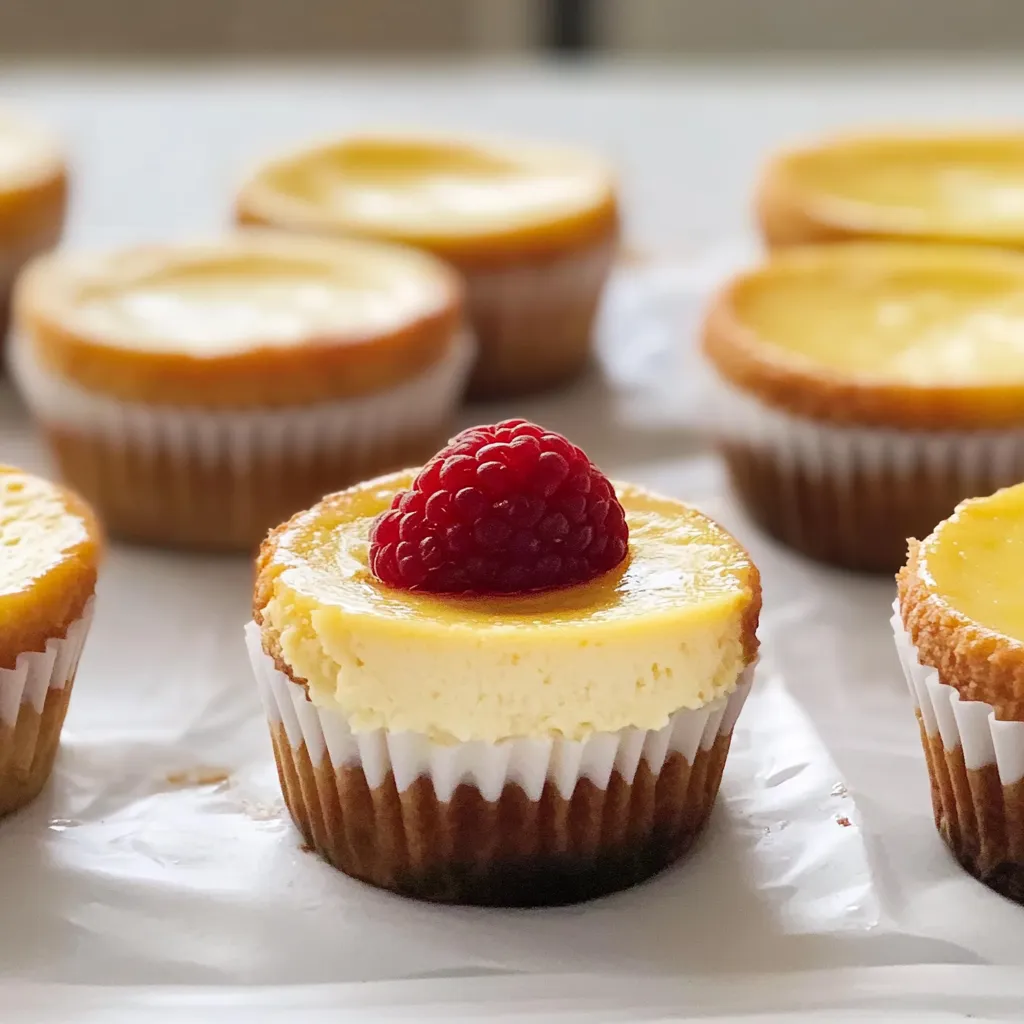
Does the thought of making cheesecake from scratch make you a little nervous? You’re not alone! I used to feel the same way until I discovered this foolproof method for the most deliciously creamy gluten-free mini cheesecakes. They are the perfect single-serving dessert for parties, potlucks, or just satisfying a serious sweet tooth craving without the fuss of a whole cake. With a simple press-in crust and a smooth, tangy filling that bakes up perfectly every time, these little bites of heaven are about to become your new favorite dessert trick.
Why You’ll Love This Gluten-Free Mini Cheesecakes Recipe
Seriously, what’s not to love?
- Beginner Friendly: No water bath, no complicated steps. Just mix, fill, and bake.
- Naturally Gluten-Free: The almond flour crust is a delicious and simple alternative to graham crackers.
- Perfect Portions: Individual servings mean no slicing mess and everyone gets their own perfect piece.
- Totally Customizable: Top them with fresh berries, a drizzle of chocolate, or enjoy them plain—they’re fabulous every way.
Ingredients
Printgluten-free mini cheesecakes
Gluten-free mini cheesecake recipe: easy, no-bake dessert. Perfectly portioned sweet treats. Learn simple techniques for a delicious homemade dessert.
- Prep Time: 20 minutes
- Cook Time: 22 minutes
- Total Time: 5 hours 30 minutes
- Yield: 12 servings 1x
- Category: Dessert
- Cuisine: American
Ingredients
Instructions
Notes
This foolproof recipe for deliciously creamy gluten-free mini cheesecakes features a simple press-in almond flour crust and a smooth, tangy filling. They are the perfect single-serving dessert for parties, potlucks, or satisfying a sweet tooth craving.
Nutrition
- Serving Size: 12 servings
- Calories: 285 kcal
- Sugar: 13 g
- Fat: 23 g
- Carbohydrates: 16 g
- Fiber: 1 g
- Protein: 6 g
For the Crust:
- 1 ½ cups finely ground almond flour
- 3 tablespoons melted unsalted butter (or coconut oil for dairy-free)
- 2 tablespoons pure maple syrup
- Pinch of salt
For the Filling:
- 16 oz (two 8-oz blocks) full-fat cream cheese, softened to room temperature
- 2/3 cup granulated sugar
- 2 large eggs, at room temperature
- 1 teaspoon pure vanilla extract
- 1/2 cup sour cream or plain Greek yogurt
How to Make Gluten-Free Mini Cheesecakes
- Preheat your oven to 325°F (165°C). Line a standard 12-cup muffin tin with paper liners.
- Make the crust by stirring together the almond flour, melted butter, maple syrup, and salt until it resembles wet sand. Press about 1 ½ tablespoons of this mixture firmly into the bottom of each prepared muffin cup.
- Bake the crusts for 8-10 minutes, just until they look set and are slightly golden. Remove from the oven and let them cool while you make the filling.
- In a large bowl, beat the softened cream cheese with an electric mixer until it’s completely smooth and creamy. This is the secret to a lump-free filling!
- Beat in the sugar until well combined, then add the eggs one at a time, mixing on low speed after each addition until just incorporated. Scrape down the sides of the bowl.
- Mix in the vanilla extract and sour cream (or yogurt) until the batter is smooth and silky.
- Divide the filling evenly among the muffin cups, filling each one nearly to the top.
- Bake for 18-22 minutes, or until the edges are set and the centers only have a slight jiggle.
- Turn the oven off, crack the door open, and let the cheesecakes cool inside for 30 minutes. This prevents them from cracking.
- Transfer the pan to a wire rack to cool completely, then refrigerate for at least 4 hours, or preferably overnight, before serving.
Equipment You’ll Need
- Standard 12-cup muffin tin
- Paper or foil muffin liners
- Electric hand mixer or stand mixer
- Mixing bowls
Tips & Variations for the Best Mini Cheesecakes
Room temperature ingredients are non-negotiable for a smooth, lump-free filling! If you forget to take your cream cheese out, you can gently warm it in the microwave in 10-second bursts. For a fun twist, try mixing in some lemon zest or a spoonful of peanut butter into the filling. If you love a chocolate crust, you can swap the almond flour for this fantastic gluten-free Oreo crust mixture. When topping, fresh fruit is always a winner, but a simple dollop of homemade whipped cream never fails.
Serving Suggestions
These mini cheesecakes are stars all on their own, but they love company! Serve them on a platter with an assortment of toppings like fresh raspberries, blueberry compote, sliced strawberries, or a generous drizzle of salted caramel sauce. They’re the perfect elegant finish to a dinner party or a fun treat for a weekend family movie night.
Nutrition Information*
*Approximate values per cheesecake
Calories: 285kcal | Carbohydrates: 16g | Protein: 6g | Fat: 23g | Saturated Fat: 10g | Cholesterol: 75mg | Sodium: 150mg | Fiber: 1g | Sugar: 13g
I first made these for a friend who had to avoid gluten, and she was so thrilled to have a cheesecake she could truly enjoy. Now, they’re my most requested party dessert. The best part is that no one can ever tell they’re gluten-free! They’re just incredibly good cheesecakes that happen to be simple to make. I hope this recipe brings as much joy to your kitchen as it has to mine.
Frequently Asked Questions
Can I make these dairy-free?
Absolutely! Use a plant-based cream cheese alternative and a dairy-free sour cream or yogurt. For the crust, use coconut oil instead of butter.
How should I store leftover mini cheesecakes?
Keep them stored in an airtight container in the refrigerator for up to 5 days. They also freeze beautifully for up to 3 months. Just thaw overnight in the fridge before serving.
Why did my cheesecakes crack?
The most common reasons are overmixing the batter (which incorporates too much air) or a sudden temperature change. Letting them cool slowly in the turned-off oven helps prevent this. But remember, a little crack doesn’t affect the amazing taste!
Can I use a different type of flour for the crust?
Almond flour works best for its texture and flavor. For a nut-free option, you could try using gluten-free oat flour or ground-up gluten-free cookies. For more on that, Bon Appétit has a great guide to gluten-free flour blends.